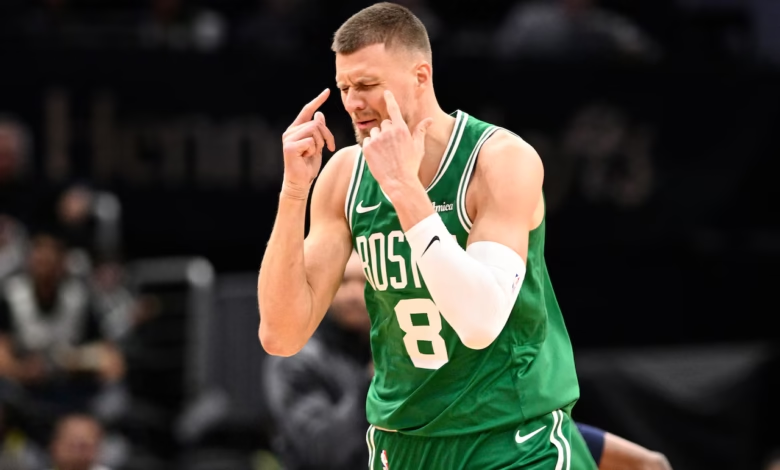
The phrase porzingis injury has become a familiar search term for basketball fans who follow the career of Kristaps Porzingis closely. Few players in the modern NBA combine size, shooting range, and rim protection the way Porzingis does, and that unique skill set also places enormous stress on his body. Every time news breaks about a Porzingis injury, it sparks questions about his health, durability, and long-term future in the league.
This article takes a deep, expert look at the Porzingis injury narrative. It explores how injuries have shaped his career, what specific physical challenges he has faced, how modern sports medicine addresses those issues, and what fans and teams can realistically expect moving forward. If you are searching for clarity, context, and trustworthy insight around the Porzingis injury story, you are in the right place.
The Importance of Health in Porzingis’ Career
Kristaps Porzingis entered the NBA with enormous expectations after being drafted by the New York Knicks. Standing well over seven feet tall with guard-like shooting ability, he was immediately labeled a franchise-changing talent. From the start, however, the conversation around his game was tied closely to his physical condition.
A Porzingis injury has never just been a short-term concern. Because of his height and playing style, even minor setbacks can have ripple effects. Lower-body health, in particular, is critical for a player who relies on agility, balance, and explosive movement. When Porzingis is healthy, he stretches defenses, protects the rim, and alters the geometry of the court. When he is sidelined, teams must completely rethink their strategy.
Early Injuries and the Foundation of the Porzingis Injury Narrative
The earliest Porzingis injury discussions focused on whether his frame could withstand the physical demands of the NBA. Big men historically face greater injury risk, especially when their games involve frequent jumping and lateral movement. Early in his career, Porzingis dealt with various aches and strains that, while not catastrophic, hinted at long-term durability concerns.
These early issues did not stop his rise, but they planted the seed for a narrative that would follow him. Fans and analysts began to view every Porzingis injury update as part of a larger pattern rather than an isolated event. This perception matters because it shapes how teams manage his minutes, contract negotiations, and postseason expectations.
The Knee Injury That Changed Everything
One of the most defining moments in the Porzingis injury timeline came with a serious knee injury during his time in New York. A torn ligament is one of the most challenging setbacks any basketball player can face, and for a player of Porzingis’ size, the recovery process is even more complex.
This Porzingis injury forced him into a long rehabilitation period that tested both his physical and mental resilience. Returning from such an injury is not simply about healing tissue. It involves rebuilding strength, restoring confidence, and learning to trust the body again. For months, questions swirled about whether Porzingis would ever return to his pre-injury level.
The injury also marked a turning point in how teams viewed him. Potential suitors weighed his immense upside against the risk that future Porzingis injury episodes could derail seasons.
Life After New York and Managing Physical Load
After leaving the Knicks, Porzingis joined the Dallas Mavericks, where expectations were high for a new chapter alongside another superstar. In Dallas, managing the Porzingis injury risk became a central focus. The team invested heavily in load management, medical evaluations, and strategic rest.
Despite these efforts, Porzingis continued to experience setbacks. None were as dramatic as his earlier knee injury, but each absence reignited debate about his long-term reliability. Soft tissue injuries, soreness, and occasional flare-ups kept him from establishing consistent rhythm over full seasons.
The Porzingis injury discussion during this period became more nuanced. Rather than questioning his talent, observers began asking whether the modern NBA schedule was simply too demanding for a player with his physical profile.
Transition to a New Role and a New Team
Porzingis later moved on to the Washington Wizards, where his role shifted slightly. Instead of being asked to carry championship expectations, he was positioned as a primary scoring option with more freedom to manage his body.
This phase of his career offered a fresh perspective on the Porzingis injury story. With fewer external pressures, Porzingis showed flashes of dominance when healthy. His scoring efficiency improved, and he appeared more comfortable pacing himself over the course of games.
The Wizards’ approach highlighted an important lesson in modern sports medicine. Preventing a Porzingis injury is often about proactive management rather than reactive treatment. Careful monitoring, individualized training, and honest communication between player and medical staff can make a significant difference.
The Science Behind Injuries for Tall Players
Understanding the Porzingis injury history requires a look at biomechanics. Extremely tall athletes face unique challenges. Longer limbs mean greater torque on joints, especially knees and ankles. Repetitive jumping and landing amplify these forces, increasing the risk of wear and tear over time.
For Porzingis, lower-body health has been the central issue. Maintaining muscle balance, flexibility, and joint stability is crucial. Modern NBA training programs emphasize these factors more than ever, using data-driven approaches to predict and prevent injury.
Advancements in recovery technology, from cryotherapy to advanced physical therapy techniques, have improved outcomes. Even so, the risk can never be eliminated entirely. This reality shapes how teams plan around players like Porzingis.
Mental Resilience and the Human Side of Injury
A Porzingis injury is not just a physical event. It carries a psychological weight that fans often overlook. Long rehabilitation periods can be isolating, and the pressure to return quickly can create internal conflict.
Porzingis has spoken in interviews about the frustration of watching games from the sidelines and the determination required to come back stronger. Mental resilience is a skill developed through experience, and his journey reflects the emotional complexity of professional sports.
This aspect of the Porzingis injury story adds depth to his career. It reminds fans that behind the statistics and highlight reels is an athlete navigating uncertainty, expectations, and personal growth.
How Teams Evaluate Risk and Reward
From a front-office perspective, the Porzingis injury history is a case study in balancing risk and reward. His talent level is undeniable, but availability is just as important as ability. Teams must decide how much risk they are willing to accept in exchange for elite production.
Contract structures, incentives, and medical clauses often reflect this calculation. When Porzingis is healthy, he can change the outcome of games. When he is not, teams must rely on depth and adaptability.
This dynamic has influenced every stage of his career and will continue to shape decisions about his role, minutes, and postseason usage.
The Present State of Porzingis’ Health
In recent seasons, Porzingis has shown that careful management can lead to extended stretches of strong performance. While the Porzingis injury concern has not disappeared, it has evolved. Instead of focusing on catastrophic injuries, the conversation now centers on maintenance and sustainability.
Fans searching for Porzingis injury updates often want to know one thing. Can he stay healthy when it matters most. The honest answer is that no one can guarantee it, but the evidence suggests he is better equipped now than earlier in his career.
Improved conditioning, smarter scheduling, and greater self-awareness have all contributed to a more stable physical profile.
What the Future Holds
Looking ahead, the Porzingis injury narrative will likely remain part of his story. That does not mean it defines him. Many great players have adapted their games to protect their bodies and extend their careers.
Porzingis’ shooting ability, basketball IQ, and versatility allow him to remain effective even if his athleticism fluctuates. As he continues to evolve, his experience with injury may ultimately make him a more efficient and strategic player.
For fans and analysts alike, the key is perspective. A Porzingis injury is not just a setback. It is one chapter in a complex career shaped by talent, resilience, and adaptation.
Conclusion: Reframing the Porzingis Injury Conversation
The term porzingis injury often carries a negative tone, but it deserves a more balanced interpretation. Injuries have undoubtedly influenced Kristaps Porzingis’ career, yet they have also pushed him to grow, adjust, and refine his approach to the game.
Understanding the full context reveals a player who has faced significant challenges and continues to find ways to contribute at a high level. Health will always be a factor, but it is not the only measure of his impact or legacy.
For anyone following his journey, the story of Porzingis is not just about injury. It is about perseverance, evolution, and the ongoing pursuit of excellence in one of the world’s most demanding sports.
Frequently Asked Questions About Porzingis Injury
What is the most serious Porzingis injury of his career
The most serious Porzingis injury was a major knee ligament injury early in his NBA career, which required surgery and an extended rehabilitation period. This injury significantly influenced how teams manage his workload.
Does Porzingis have recurring injury problems
Porzingis has experienced multiple injuries over the years, mostly involving his lower body. While this has created a perception of recurring issues, recent seasons suggest improved management and recovery strategies.
How do teams prevent another Porzingis injury
Teams focus on load management, individualized training, and advanced medical monitoring. These strategies aim to reduce stress on his joints and maintain long-term health.
Is Porzingis injury risk higher because of his height
Yes, extremely tall players face greater biomechanical stress, particularly on knees and ankles. This increases injury risk, which is why careful conditioning is essential for Porzingis.
Can Porzingis still perform at an elite level after injuries
When healthy, Porzingis continues to demonstrate elite skills, including shooting, rim protection, and scoring efficiency. His game has evolved to emphasize sustainability alongside impact.
You may also read