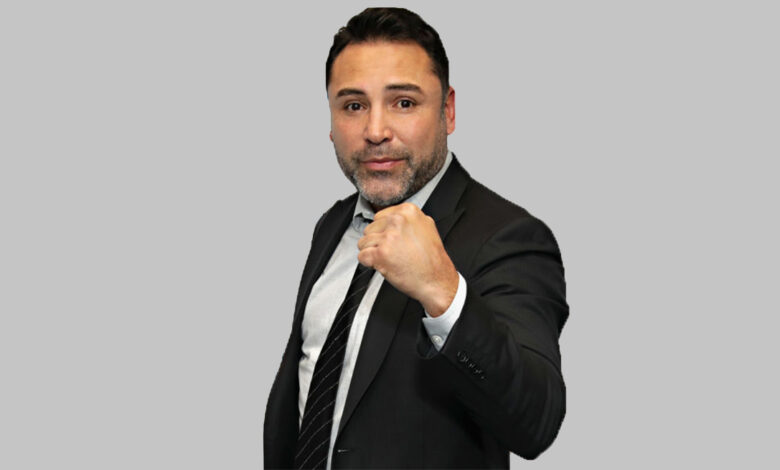
Few names in modern boxing carry the weight, charisma, and legacy of oscar de la hoya. From Olympic glory to world championship dominance and later to becoming one of the most influential promoters in the sport, oscar de la hoya has built a career that extends far beyond the boxing ring.
For fans searching for information about oscar de la hoya, the intent is usually clear: they want to understand the man behind “The Golden Boy” nickname. How did he rise to fame? What made him such a dominant force in boxing’s golden era of the 1990s and early 2000s? And how did he reinvent himself after retirement?
This comprehensive guide explores the life, career, controversies, and enduring influence of oscar de la hoya in a detailed, engaging, and authoritative way. Whether you’re a lifelong boxing enthusiast or just discovering the sport, this article provides a complete and trustworthy look at his remarkable journey.
The Early Life of Oscar De La Hoya
Born on February 4, 1973, in East Los Angeles, California, oscar de la hoya grew up in a working-class Mexican-American family deeply connected to boxing. His grandfather was an amateur fighter, and his father boxed professionally in Mexico. It seemed almost inevitable that oscar de la hoya would follow in their footsteps.
From a young age, he displayed exceptional discipline and natural athletic ability. His mother, Cecilia, played a powerful role in shaping his ambition. Before she passed away from cancer in 1990, she told him she wanted him to win an Olympic gold medal. That promise became the emotional foundation of oscar de la hoya’s early career.
In 1992, at just 19 years old, oscar de la hoya represented the United States at the Barcelona Olympics and captured a gold medal in the lightweight division. That victory fulfilled his mother’s dream and earned him the nickname “The Golden Boy,” a title that would define his global identity.
Oscar De La Hoya’s Rise in Professional Boxing
After turning professional in 1992, oscar de la hoya quickly became one of boxing’s brightest stars. He combined speed, technical skill, charisma, and marketability in a way few fighters could match.
Throughout the 1990s and early 2000s, oscar de la hoya climbed through multiple weight divisions, winning world titles in six different classes. He captured championships at super featherweight, lightweight, light welterweight, welterweight, light middleweight, and middleweight.
Victories over elite opponents cemented his reputation as one of the most versatile champions of his era. His ability to compete at the highest level across so many weight categories demonstrated not only physical talent but also strategic intelligence and mental toughness.
Oscar de la hoya became the face of boxing during a transitional period. As heavyweight dominance faded from the spotlight, lighter weight divisions gained commercial traction, and he played a major role in that shift.
Defining Fights That Shaped Oscar De La Hoya’s Legacy
Several fights stand out when analyzing the career of oscar de la hoya. These bouts defined both his greatness and the controversies that surrounded him.
His 1999 showdown with Félix Trinidad was one of the most anticipated welterweight unification fights of the decade. Many observers believed oscar de la hoya controlled much of the action, but he ultimately lost by decision. The outcome sparked debate among fans and analysts that continues even today.
In 2000, he faced Shane Mosley in a high-speed tactical battle. The close decision loss reinforced a recurring narrative that oscar de la hoya sometimes struggled on the judges’ scorecards in razor-thin contests.
The 2004 fight against Bernard Hopkins marked a turning point. A devastating body shot ended the contest and handed oscar de la hoya his first knockout defeat.
Perhaps the most commercially significant fight of his career came in 2007 against Floyd Mayweather Jr. The event shattered pay-per-view records at the time and elevated boxing’s earning potential to unprecedented levels. Even in defeat, oscar de la hoya proved his unmatched ability to generate global attention.
Oscar De La Hoya’s Fighting Style and Technical Strengths
Technically speaking, oscar de la hoya was one of the most complete fighters of his generation. His left hook became legendary for its speed and precision. Delivered with perfect timing, it often changed the momentum of fights in an instant.
He possessed exceptional footwork that allowed him to control distance and dictate pace. Rather than relying purely on aggression, oscar de la hoya emphasized ring generalship and tactical movement.
His adaptability across multiple weight classes highlighted his conditioning and discipline. Competing successfully from 130 to 160 pounds requires more than talent. It demands strategic preparation and an elite understanding of body mechanics.
Oscar de la hoya’s balanced skill set made him both entertaining and technically respected among boxing purists.
The Business Evolution of Oscar De La Hoya
Retirement did not mark the end of oscar de la hoya’s influence. Instead, it signaled a new chapter. In 2002, he founded Golden Boy Promotions, which later became one of the most powerful promotional companies in boxing.
As a promoter, oscar de la hoya played a major role in shaping the careers of top fighters and organizing high-profile events. His understanding of branding, media exposure, and cross-cultural appeal helped expand boxing’s reach, particularly within the Latino community in the United States.
He understood that modern boxing was not just about skill inside the ring but also about narrative, personality, and global marketing. In many ways, oscar de la hoya helped redefine the business model for future generations of fighters.
Personal Struggles and Public Challenges
The story of oscar de la hoya is not without adversity. Over the years, he has faced personal struggles, including issues related to substance abuse and highly publicized controversies.
In interviews, oscar de la hoya has openly discussed his battles with mental health and addiction. His willingness to acknowledge these challenges adds complexity to his legacy. For many observers, it demonstrates vulnerability behind the polished image of a global sports icon.
Fame and financial success often come with immense pressure. Understanding oscar de la hoya requires recognizing both his achievements and the personal challenges that shaped his journey.
Cultural Impact and Lasting Influence
Oscar de la hoya’s influence extends beyond championships and business ventures. As a Mexican-American athlete representing the United States, he became a powerful cultural symbol. He bridged communities and inspired a new generation of Latino fighters.
His Olympic gold medal victory and professional success resonated deeply within immigrant families who saw in him a reflection of their own aspirations.
Even years after retirement, oscar de la hoya remains a central figure in boxing discussions. His promotional efforts, public appearances, and outspoken personality ensure that his voice continues to shape the sport’s narrative.
Frequently Asked Questions About Oscar De La Hoya
Who is Oscar De La Hoya?
Oscar De La Hoya is a former American professional boxer and Olympic gold medalist who won world titles in six different weight divisions and later became a boxing promoter.
How many titles did Oscar De La Hoya win?
Oscar De La Hoya won 11 world titles across six weight classes, making him one of the most accomplished multi-division champions in boxing history.
Why is Oscar De La Hoya called The Golden Boy?
He earned the nickname after winning a gold medal at the 1992 Barcelona Olympics, fulfilling a promise to his late mother.
Did Oscar De La Hoya fight Floyd Mayweather?
Yes, Oscar De La Hoya fought Floyd Mayweather Jr. in 2007 in a record-breaking pay-per-view event. Although he lost by split decision, the fight was one of the most financially successful bouts in boxing history.
What is Oscar De La Hoya doing now?
Oscar De La Hoya is primarily involved in boxing promotion and business ventures, continuing to influence the sport outside the ring.
Conclusion: The Enduring Legacy of Oscar De La Hoya
Oscar de la hoya remains one of the most influential and recognizable figures in boxing history. From Olympic champion to multi-division world titleholder and successful promoter, his journey reflects ambition, resilience, and reinvention.
For anyone researching oscar de la hoya, the story is about more than victories and defeats. It is about cultural impact, business innovation, and personal growth. His career helped reshape boxing’s commercial landscape while inspiring millions around the world.
The legacy of oscar de la hoya continues to evolve, ensuring that “The Golden Boy” will always hold a central place in the history of modern boxing.
You may also read