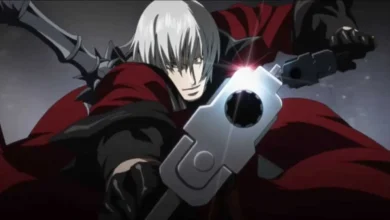
Anime Names: A Comprehensive Guide to Choosing the Perfect Name for Your Favorite Anime Characters


Anime has become an integral part of popular culture, captivating audiences worldwide with its stunning artwork, captivating storylines, and diverse range of characters. One of the most intriguing aspects of anime is the variety of unique and memorable names given to the characters. These names often carry deep meanings, reflect the personality traits of the characters, or even hint at the themes of the anime. In this blog post, we’ll dive deep into the world of anime names, exploring their significance, popular examples, and tips for choosing the perfect name for your favorite anime characters.
Understanding Anime Names: More Than Just Labels
When it comes to anime, names play an essential role in shaping a character’s identity. Unlike names in Western media, which might be chosen primarily for phonetic appeal, anime names often have additional layers of meaning. These names may be based on Japanese kanji characters, which carry specific meanings. The character’s name can reflect their role in the story, their personality traits, or even their emotional journey.
For example, the name of the main character in Naruto, Naruto Uzumaki, reflects his inner turmoil and aspiration. The word “Uzumaki” means spiral, representing both the shape of a whirlpool and the theme of overcoming challenges. Similarly, the name “Naruto” itself carries connotations of a whirlpool or a swirling storm, symbolizing the character’s dynamic energy and growth throughout the series.
The Importance of Naming Conventions in Anime
Anime creators carefully select names to convey more than just identification. In many cases, the names are crafted to align with the thematic elements of the show. Names can also reflect a character’s background, status, or even their destiny. This is particularly evident in genres like fantasy, where anime names often reflect mystical or otherworldly qualities.
In Japan, it is not uncommon for a character’s name to symbolize a particular trait or feature. For instance, in One Piece, the character Nico Robin has a first name, “Nico,” which sounds both elegant and familiar. Meanwhile, her last name, “Robin,” is symbolic of freedom, as robins are often associated with spring and renewal.
Moreover, Japanese names are rich with cultural and historical context, with characters often embodying aspects of traditional culture, mythology, and even contemporary trends. Whether subtle or overt, these names add a layer of richness to the anime, enhancing the viewer’s experience.
Types of Anime Names
While the majority of anime names follow traditional Japanese naming conventions, there are also various types of names that reflect different aspects of the anime world. Here, we’ll explore the types of names you’ll encounter in anime.
1. Traditional Japanese Names
The most common type of name in anime is the traditional Japanese name, which follows the structure of a family name followed by a given name. These names are typically written in kanji, with each character carrying specific meanings. For example, in Dragon Ball Z, Goku’s real name is “Kakarot,” which is derived from the Japanese word for carrot. This quirky name choice fits the character’s playful nature and his Saiyan heritage.
2. Unique or Fantasy-Inspired Names
In fantasy-themed anime, names can be more unusual and may draw inspiration from mythology, history, or fiction. For instance, in Attack on Titan, Eren Yeager’s name has a Germanic feel, fitting the European-inspired setting of the series. Similarly, in Fullmetal Alchemist, the character Edward Elric has a name that hints at his alchemical origins, drawing from classic Western traditions of magic and science.
3. Nickname-Based Names
In some anime, characters are given nicknames rather than formal names. This often happens when a character is particularly close to the protagonist or part of a group. In Naruto, characters like “Kakashi-sensei” or “Jiraiya-sama” use honorifics as nicknames, reflecting the teacher-student relationship and adding to the overall tone of respect and affection.
4. Names with Symbolic Meaning
As mentioned earlier, names in anime can carry significant symbolic meaning. Characters in series like Fruits Basket and Bleach often have names that directly correlate with their personalities or roles in the story. For example, the character Tohru Honda from Fruits Basket represents balance and harmony, while the name of Ichigo Kurosaki in Bleach represents his destiny as a protector of spirits.
How Anime Names Shape Character Identity
The significance of anime names extends beyond their phonetic appeal—they serve to define characters, their development, and their relationships with others. Characters with strong, meaningful names tend to resonate more with viewers, making them memorable and impactful.
1. Reflecting Personality Traits
Many anime names are designed to reflect the personality or role of the character in the story. For example, the name “Sakura” in Naruto means “cherry blossom,” symbolizing beauty, fragility, and the character’s emotional development over time. Her name parallels her growth from a self-conscious and insecure character to a strong and independent woman.
Similarly, the name “Luffy” from One Piece is simple and playful, aligning with his carefree and adventurous spirit. It’s a name that’s easy to remember, just like the character’s easygoing personality.
2. Conveying Power or Status
In action-packed anime like My Hero Academia, names can be used to convey a character’s strength or status. For example, the hero name “All Might” perfectly embodies the character’s status as the ultimate symbol of peace and justice. His name exudes power and nobility, making it an ideal choice for a hero who is revered by all.
On the flip side, some anime names are designed to reflect a character’s villainous nature. Names like “Frieza” from Dragon Ball Z or “Orochimaru” from Naruto have a chilling and foreboding quality, aligning with the characters’ dark and menacing personalities.
How to Choose the Perfect Anime Name for Your Characters
Whether you’re creating your own anime or simply naming a character for a story, choosing the right name is crucial. Here are some tips to help you come up with the perfect anime name.
- Consider the Character’s Background: Think about your character’s heritage, culture, and backstory. This will influence the type of name you choose and its meaning.
- Reflect the Character’s Personality: Does your character have a fiery temperament or a calm demeanor? Names can be used to reflect these traits.
- Use Symbolism: Consider using names with symbolic meanings, such as flowers, animals, or elements of nature, to reinforce the character’s arc or journey.
- Think About Phonetics: The sound of a name is essential. Make sure it’s easy to pronounce and resonates with the tone of the character.
- Play with Mythology and History: Drawing inspiration from mythological or historical figures can lend depth to your character’s name.
Conclusion
In the world of anime, anime names are not just labels—they are essential to understanding the character and the story. From traditional Japanese names to unique and fantasy-inspired titles, each name carries with it a piece of the character’s identity. Whether you’re creating a character for your own anime or simply exploring the names of beloved characters, understanding the significance behind these names adds depth to your appreciation of the medium. Names are more than just words—they are symbols of power, personality, and destiny.
Frequently Asked Questions
1. Why are anime names important?
Anime names are essential because they often reflect a character’s personality, background, and role in the story. They add depth and symbolism to the character, enriching the viewer’s experience.
2. Do anime names have special meanings?
Yes, many anime names are chosen for their symbolic meaning. Japanese kanji characters often carry deep meanings that correspond to the character’s traits or role in the anime.
3. What are some examples of unique anime names?
Some examples of unique anime names include “Kakashi” from Naruto and “Luffy” from One Piece, both of which reflect their characters’ distinct personalities.
4. Can I use real-life names for anime characters?
While it’s possible to use real-life names, many anime creators opt for unique names to fit the theme and tone of the anime. The name should align with the character’s personality and backstory.
5. How can I come up with a good anime name for my character?
Start by considering the character’s personality, backstory, and role in the story. Use symbolism and think about the phonetics of the name to ensure it resonates with the character’s traits and the tone of the anime.
You may also read