Indoor gardening has evolved far beyond placing a single pot on a windowsill. Today, hanging plants indoor are one of the most popular ways to bring nature into modern homes. They save space, add depth to interiors, improve air quality, and create a calming, stylish atmosphere—no backyard required.
Whether you live in a compact apartment or a spacious home, It offer a flexible, visually striking solution that works with almost any décor style. This in-depth guide will walk you through everything you need to know: benefits, best plant choices, placement ideas, care tips, and common mistakes to avoid.
Introduction: Why Hanging Plants Indoor Are So Popular
The rise of hanging plants indoor is no coincidence. As urban living becomes more compact, homeowners and renters alike are searching for creative ways to incorporate greenery without sacrificing floor space. Hanging planters allow plants to thrive vertically, making them ideal for small rooms, minimalist interiors, and even home offices.
Beyond aesthetics, It also support wellness. Studies show that indoor plants can reduce stress, enhance focus, and improve air quality. When plants are suspended at eye level, they become living design elements—softening hard lines, filling empty corners, and adding life to overlooked spaces.
Benefits of Hanging Plants Indoor
Adding It brings more than visual appeal. They deliver functional and emotional benefits that make them worth the effort.
Space-Saving Greenery
Hanging plants indoor are perfect for small spaces. Instead of taking up valuable floor or shelf space, they use vertical areas like ceilings, beams, or wall hooks.
Improved Indoor Air Quality
Many hanging plants help filter airborne toxins and release oxygen. While they won’t replace air purifiers, they do contribute to a healthier indoor environment.
Stress Reduction and Mood Boost
Greenery has a calming effect. It placed in living rooms or bedrooms can create a peaceful atmosphere that reduces anxiety and mental fatigue.
Design Flexibility
From bohemian to modern minimalism, It adapt to virtually any interior design style. You can mix materials, plant types, and heights for endless customization.
Best Hanging Plants Indoor for Every Home
Choosing the right plant is crucial for long-term success. Not all plants thrive when suspended, but many are perfectly suited for hanging planters.
Low-Maintenance Hanging Plants Indoor
If you’re new to indoor gardening, start with easy-care options:
- Pothos
- Spider plants
- Heartleaf philodendron
- English ivy
These hanging plants indoor tolerate inconsistent watering and adapt to various light conditions.
Hanging Plants Indoor for Low Light
Not every home has bright sunlight. Fortunately, some It thrive in shade or indirect light:
- Philodendron varieties
- Pothos
- ZZ plant (in hanging baskets)
These plants are ideal for hallways, bathrooms, or rooms with north-facing windows.
Hanging Plants Indoor for Bright Light
For sunny spaces, consider:
- String of pearls
- String of hearts
- Hoyas
- Trailing succulents
These It reward bright light with lush growth and vibrant foliage.
How to Choose the Right Hanging Planters
The planter you choose affects both plant health and interior style. When selecting containers for hanging plants indoor, balance aesthetics with practicality.
Materials That Work Best
- Ceramic: Stylish but heavy—ensure strong ceiling hooks
- Plastic: Lightweight and practical for frequent watering
- Metal: Modern look but may heat up near windows
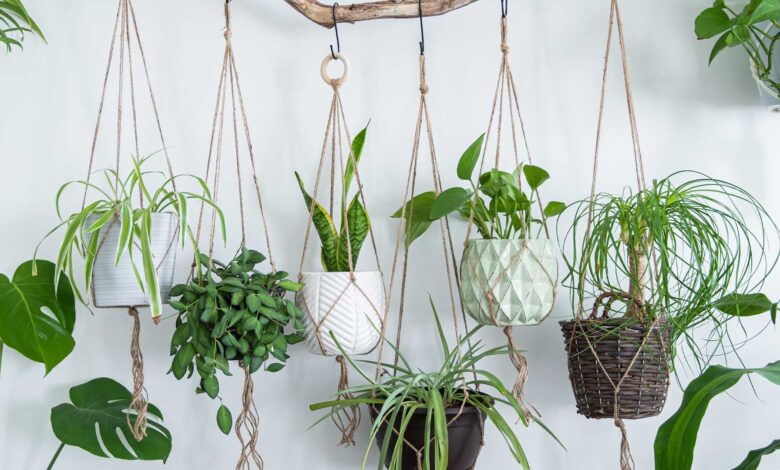
- Macramé holders: Ideal for boho and natural décor
Drainage Is Non-Negotiable
Hanging plants indoor should always have proper drainage. Excess water trapped in roots can lead to rot, especially in hanging containers where airflow is limited.
Ideal Placement for Hanging Plants Indoor
Placement plays a major role in plant health and visual impact. Strategic positioning ensures your hanging plants indoor thrive and enhance your space.
Living Rooms
Use hanging plants indoor to fill empty corners, frame windows, or soften shelves. Vary heights for a layered look.
Kitchens
Hanging plants indoor work beautifully above sinks or near windows. Herbs like trailing rosemary or pothos add freshness and function.
Bedrooms
Choose calming It such as philodendron or ivy. Keep them away from direct drafts and heating vents.
Bathrooms
Bathrooms with natural light are perfect for humidity-loving It like ferns and pothos.
Light Requirements for Hanging Plants Indoor
Light is one of the most misunderstood aspects of indoor gardening. Understanding it properly will prevent many common issues.
Indirect Light Explained
Most hanging plants indoor prefer bright, indirect light. This means sunlight that is filtered through curtains or reflected off walls.
Signs of Too Much or Too Little Light
- Yellowing leaves may indicate too much light
- Leggy growth often signals insufficient light
Rotate your It every few weeks to promote even growth.
Watering and Maintenance Tips
Consistent care is key to keeping It healthy and vibrant.
How Often to Water
Watering frequency depends on plant type, pot size, and environment. As a rule:
- Check soil moisture weekly
- Water only when the top inch of soil is dry
Preventing Drips and Mess
Use saucers or self-watering hanging planters. Remove plants from hooks for watering when possible to avoid spills.
Fertilizing Hanging Plants Indoor
Feed your plants during the growing season (spring and summer) with a balanced liquid fertilizer every 4–6 weeks.
Styling Ideas for Hanging Plants Indoor
Designing with It is where creativity truly shines.
Create a Plant Cluster
Group three or more It at varying heights for a dramatic focal point.
Mix Textures and Colors
Combine leafy green plants with trailing vines or variegated foliage to add depth and contrast.
Use Hanging Plants Indoor as Room Dividers
In open-plan spaces, It can subtly define areas without blocking light or airflow.
Common Mistakes to Avoid
Even experienced plant lovers make mistakes. Avoid these common pitfalls with It:
- Overwatering due to poor drainage
- Using weak ceiling hooks or anchors
- Ignoring light requirements
- Hanging plants too high for regular maintenance
Addressing these issues early will save your plants—and your ceilings.
FAQs About Hanging Plants Indoor
1. Are hanging plants indoor suitable for small apartments?
Yes, It are ideal for small spaces because they don’t take up floor or shelf space.
2. How do I water hanging plants indoor without making a mess?
Remove them from hooks and water in the sink, or use self-watering planters designed for hanging plants indoor.
3. What are the easiest hanging plants indoor for beginners?
Pothos, spider plants, and philodendrons are excellent beginner-friendly It.
4. Can hanging plants indoor survive in low light?
Many varieties can. Choose plants specifically known for low-light tolerance and avoid direct sun.
5. How high should I hang indoor plants?
Hang them at eye level or slightly above, ensuring they receive adequate light and are easy to maintain.
Conclusion: Why Hanging Plants Indoor Are Worth It
Incorporating It is one of the simplest yet most impactful ways to elevate your living space. They bring life, texture, and calm into homes of all sizes while offering practical benefits like space efficiency and improved well-being.
You may also read